What were the original rules and betting options for roulette?
The original rules and betting options for roulette were relatively simple. The game featured a spinning wheel with numbered pockets, typically ranging from 1 to 36. The early versions of the game also featured a single zero pocket, which gave the house a slight edge. In some variations, there was also a double zero pocket, which further increased the house edge.
Players would place their bets on the table, which had a grid layout that corresponded to the numbers on the wheel. They could place bets on a single number or a group of numbers, with different payouts depending on the odds of the bet.
The simplest bets were “inside” bets, which involved placing chips directly on a single number or a small group of adjacent numbers. The payout for these bets was higher, as they were less likely to win. Players could also make “outside” bets, which covered larger groups of numbers and offered lower payouts.
Some common outside bets included betting on whether the winning number would be odd or even, red or black, or high or low (1-18 or 19-36). Another popular outside bet was the “dozen” bet, which involved betting on one of three groups of 12 numbers (1-12, 13-24, or 25-36).
jackpota casino real money
Which Casino Pays Out the Most? RTP Explained
Red Wind Casino: Olympias Hidden Gaming Gem Revealed
Nicklas Lidström - Wikipedia
Indigenous Artist Market concert are July 16 in Red Wing
Nisqually Red Wind Casino: Premier Gaming & Dining in Olympia
Shevliakov’s Comeback Wins Million-Euro Prize! How Did an Amateur Shock Everyone at the EPT Monte Carlo?
What role did roulette play in popular culture such as movies and literature?
What were the original rules and betting options for roulette?
Where Can You Play WPT Global? Supported Countries & Platform Highlights
Can I Buy Alcohol at Red Wind Casino? A Quick Guide
jackpota casino login
How to Start Playing Online Poker in 2025: A Beginner’s Guide
Casino Worker Salaries 2026: How Much Money Can You Really Make?
WPT Global vs GGPoker: Which Poker Platform Should You Choose in 2025?
Embarrassed Lindsey Vonn suffers nightmare wardrobe malfunction on red carpet
WPT Globals New Welcome Bonus: Up to $3580 in Rewards
NISQUALLY RED WIND CASINO OLYMPIA Infos and Offers - CasinosAvenue
Top Online Poker Tournaments to Watch and Play in 2025
Hotel Rooms & Suites
VIP Casino Host for Comps at Nisqually Red Wind Casino Washington
What is Hyper Dash in WPT Global?Dive into Quick Thrilling Poker Action!
New Rules for WSOP Paradise: Electronic Devices and Real-Time Assistance
1670+ Slot Machines at Red Wind Casino: The Ultimate Gaming Experience
jackpota casino
NBA reporter Brian Windhorst makes surprise announcement over ESPN future
What’s happening this weekend — Tumwater Family Festival & Fireworks Show and other events The JOLT News Organization a 501(c)(3) Nonprofit
Nisqually Red Wind Casino Announces Completion of an Extensive Expansion – Medicine Creek Enterprise Corporation
WPT Global Withdrawal Guide: Cashing Out Made Simple
What role did roulette play in popular culture such as movies and literature?
BOWL.com 2024-2025 Dexter High School All-American Team announced
Best Poker Site for Real Money 2025 — Why WPT Global Stands Out
Does Redwind Offer a Birthday Reward?
Is Online Poker Rigged?
When and why was the double zero added to the American roulette wheel?
jackpota casino login
Red Wind Casino: Olympias Hidden Gaming Gem Revealed
Shevliakov’s Comeback Wins Million-Euro Prize! How Did an Amateur Shock Everyone at the EPT Monte Carlo?
Nisqually Red Wind Casino Shuttles - Premier Airport Shuttle
Job Not Found
What is the future of the game of roulette?
Most Trusted Online Casino: WPT Global
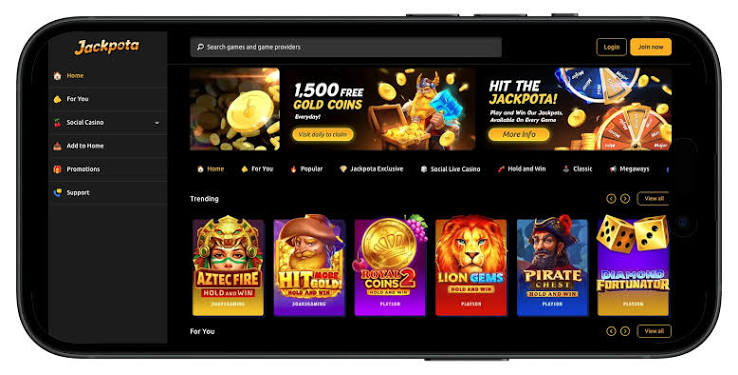
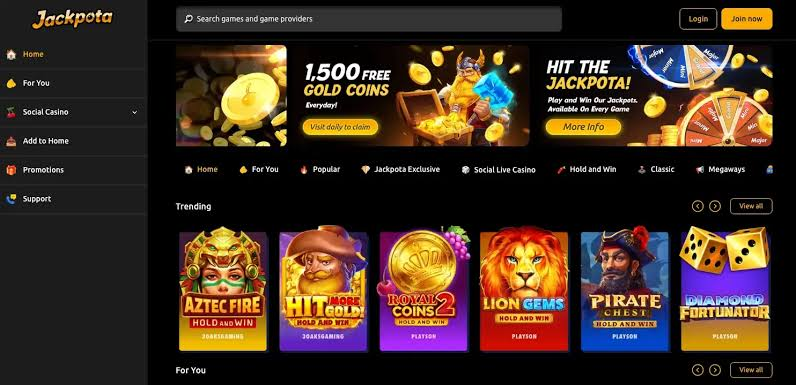
Jackpota Casino Review: Games Player Feedback Safety and Account Experience
Can I Play GGPoker in the US?
Red Wind Casino Cyber Shutdown: What Really Happened?
What is TP in WPT poker?
jackpota casino
WPT Global Casino: A Fun-Filled Adventure
Largest Casino in the USA: WinStars 600K Sq Ft Gaming Empire
Nisqually Red Wind Casino - YouTube
WPT Global’s Sunday Hyper PKO Showdown: Low Buy-In High Excitement
What You Need to Work in a Casino (2026 Guide)
Casinos Near Nisqually Red Wind Casino
Nisqually Red Wind Casino Shuttles - Premier Airport Shuttle
What Is a Casino For?
New Rules for WSOP Paradise: Electronic Devices and Real-Time Assistance
What is a Rake Chase?
jackpota casino login
Nisqually Red Wind Casino Seattle and Sound
Job Not Found
Careers
WPT Global Newest Promo: Ticket to Some Additional Play Money
The Daily Prime Tournaments from WPT Global
How to Win at Online Slots in 2025 with WPT Global
Who Has the Most WSOP Bracelets?
Nisqually Red Wind Casino Ownership: Who Owns It
What role did roulette play in popular culture such as movies and literature?
Jackpota Casino Real Money Guide: Can You Win or Withdraw Real Cash?
jackpota casino review
VIP Casino Host for Comps at Nisqually Red Wind Casino Washington
Shop
Nisqually Red Wind Casino Ownership: Who Owns It
Best Casino Work Positions: Data-Driven Guide to Entry Growth and Earning Potential
Top Online Poker Tournaments to Watch and Play in 2025
11 best poker apps and games for Android
Bitstarz no deposit bonus up to 5 BTC and 200 free spins
Who Has the Most WSOP Bracelets?
Is Global Poker Legit?
Careers - Red Hawk Casino
What is the future of the game of roulette?
What is the future of the game of roulette? One potential future for roulette is the integration of virtual and augmented reality technologies. This would allow players to immerse themselves in a virtual casino environment and enjoy a more realistic and engaging gaming experience.
Another potential future for roulette is the continued growth of online gaming. As more and more people turn to the internet for their gaming needs, online casinos are likely to become even more popular.
jackpota casino review
Non-Smoking Casino Expansion - Red Wind Casino The Nisqually Indian Tribe — KMB architects
NBA reporter Brian Windhorst makes surprise announcement over ESPN future
Lobos coach Eck busy trying to sell team to fans
WPT World Championship 2024 Kicks Off at Wynn Las Vegas: What to Expect
Jackpota Casino Real Money Guide: Can You Win or Withdraw Real Cash?
1670+ Slot Machines at Red Wind Casino: The Ultimate Gaming Experience
Trump administration to subject solar and wind projects to elevated review
WPT Global Casino: A Fun-Filled Adventure
WPT Global Spring Festival: $7000000 Guaranteed Prize Pool
What is Hyper Dash in WPT Global?Dive into Quick Thrilling Poker Action!
jackpota casino
Best Poker Site for Real Money 2025 — Why WPT Global Stands Out
What Is a Worker at a Casino Called? Casino Job Titles Explained
What role did roulette play in popular culture such as movies and literature?
When and where was the game of roulette first played?
Is Online Poker Rigged?
How to Get Work at a Casino: Quick Start Guide
Inside the high-stakes battle to win a New York City casino license
Wynn Careers Search Jobs Wynn Resorts Limited
Moomaw Road fires combine but are contained; evacuations dropped and roads reopen
Brazilian Rising Star Shocks Everyone by Winning Million-Euro Prize in Monte Carlo Poker World Welcomes a Super Dark Horse!
jackpota casino real money
Phil Ivey Hosts Festive Meet-Up Game at Wynn Las Vegas This December
TikTok - Make Your Day
When and where was the game of roulette first played?
WPT Global Newest Promo: Ticket to Some Additional Play Money
Driving directions to Red Wind Casino 12819 SR-510 Nisqually Indian Community - Waze
Red Wind Casino Closure: Cybersecurity Incident Shuts Down Nisqually Venue
Casino Restaurants Red Wind Casino Olympia WA
Land Casino Jobs Fast: Insider Secrets Revealed!
What Time Does the Red Wind Open? Complete Guide 2026
What’s happening this weekend — Tumwater Family Festival & Fireworks Show and other events The JOLT News Organization a 501(c)(3) Nonprofit
jackpota casino login
Use WPT777 Bonus Code to Claim Your Special Offer at WPT Global
Why Red Wind Casino Closed: Shocking Truth Revealed!
WPT Global Now Title Sponsor For Triton Poker Super High Roller Series
New Rules for WSOP Paradise: Electronic Devices and Real-Time Assistance
Is Working in a Casino Worth It?
Nisqually Red Wind Casino Hours: Daily Schedule
How did the introduction of online casinos impact the game of roulette?
Nisqually Red Wind Casino Becomes Title Sponsor of 2nd Annual 4 the Fallen Golf Tournament Newswire
Red Wind Casino - Casino Camper
WPT Global Withdrawal Guide: Cashing Out Made Simple
When and where was the game of roulette first played?
When and where was the game of roulette first played? The game as we know it today first appeared in Paris in 1796, and quickly gained popularity throughout Europe, especially in the casinos of Monte Carlo. The addition of the zero by Francois and Louis Blanc in the mid-19th century helped to increase the house edge and make the game more profitable for casinos.
jackpota casino
Best Casino Work Positions: Data-Driven Guide to Entry Growth and Earning Potential
‘Cybersecurity incident’ causes closure of Red Wind Casino! Operating with limited services Friday afternoon! Yelm Community Blog
Red Wind Casino Closed: The Shocking Cybersecurity Incident That Shut Washingtons Popular Casino
Embarrassed Lindsey Vonn suffers nightmare wardrobe malfunction on red carpet
What are some famous roulette scandals and controversies throughout history?
Wind Creek Chicago Southland Wind Creek Hospitality
When and where was the game of roulette first played?
Bennys on the Beach Oceanwalk restaurant closing for repairs
jackpota casino login
Olympia 4th of July 2025 Events Experience Olympia
WPT Global vs GGPoker: Which Poker Platform Should You Choose in 2025?
WPT Global: The Premier Choice for Poker Players
Who invented the game of roulette?
WPT Global Casino: A Fun-Filled Adventure
Cruise Casino Jobs Explained: Roles Salary & Requirements
Everygame Poker Review: Your Guide to Online Poker
How to Land a Casino Job in Singapore: Dealers Servers & More
11 best poker apps and games for Android
How to Win at Online Blackjack: Strategies for 2025
jackpota casino
Jackpota Casino Real Money Guide: Can You Win or Withdraw Real Cash?
Non-Smoking Casino Expansion - Red Wind Casino The Nisqually Indian Tribe — KMB architects
Casino Restaurants Red Wind Casino Olympia WA
WPT Global Tournament Schedule 2025
Red Wind Casino Closed: The Shocking Cybersecurity Incident That Shut Washingtons Popular Casino
Qualify for Red Dragon Poker Tour Jeju 2025 via WPT Global Satellites
Careers Wind Creek Hospitality
What is the origin of the name Roulette?
The Thrilling Race for WPT Season 22 Player of the Year at Wynn Las Vegas
How to Start Playing Online Poker in 2025: A Beginner’s Guide
jackpota casino real money
‘Cybersecurity incident’ causes closure of Red Wind Casino! Operating with limited services Friday afternoon! Yelm Community Blog
Which Countries Can Play WPTGlobal in 2024?
5 types of horrible bosses that never seem to go sway
Careers - Red Shores Charlottetown + Summerside Harness Racing Dining Casino
Who Has the Most WSOP Bracelets?
NISQUALLY RED WIND CASINO OLYMPIA Infos and Offers - CasinosAvenue
Jackpota Casino Review: Games Player Feedback Safety and Account Experience
Casino Career Guide: Must-Have Qualifications to Get Hired in 2026
Timothy Chung: From Birthday Party to WPT Prime UK Champion
NISQUALLY RED WIND CASINO
Who invented the game of roulette?
Who invented the game of roulette? The exact origins of roulette are a subject of much debate and speculation among historians and gambling enthusiasts. While there is no clear consensus on the game’s inventor, several theories exist regarding its creation.
One of the most popular theories is that the game was invented by a French mathematician named Blaise Pascal in the 17th century. According to this theory, Pascal was attempting to develop a perpetual motion machine when he inadvertently created the roulette wheel.
jackpota casino login
Concerts & Events at EQC
How to Download WSOP NV
Indigenous Artist Market concert are July 16 in Red Wing
Nisqually Tribe and RedWind Casino Award MoreThan $1.9 Million in 2024 – Medicine Creek Enterprise Corporation
Olympia Washington - Wikipedia
I had a 5-hr op to fix my Turkey neck- I look like Ive spent a month in a spa
Nisqually Red Wind Casino: Premier Gaming & Dining in Olympia
Nisqually Red Wind Casino 12819 Yelm Hwy SE Olympia WA 98513 US - MapQuest
Paulius Plausinaitis Wins GGMillion$ SHR for $315054
WPT Globals New Welcome Bonus: Up to $3580 in Rewards
jackpota casino real money
WSOP USA Top 8 FAQ
What Is a Worker at a Casino Called? Casino Job Titles Explained
Which Countries Can Play WPTGlobal in 2024?
Is Online Poker Rigged?
Free Drinks at Chinook Winds Casino? What You Need to Know
Unlock the $20 Casino Hack: Double Your Money Fast
How to Start Playing Online Poker in 2025: A Beginner’s Guide
Nisqually Red Wind Casino - Job Opportunities
WPT Global Million Sunday Hyper PKO Showdown: Event Details & Guide
Blast Off with These 4 Fourth of July Celebrations
5 types of horrible bosses that never seem to go sway
Nisqually Red Wind Casino 12819 Yelm Hwy SE Olympia WA 98513 US - MapQuest
What’s happening this weekend — Tumwater Family Festival & Fireworks Show and other events The JOLT News Organization a 501(c)(3) Nonprofit
Olympia Washington - Wikipedia
Top No Deposit Bonus Casinos in 2025: Play and Win Without Spending a Dime
WPT Global’s Sunday Hyper PKO Showdown: Low Buy-In High Excitement
How to Start Playing Online Poker in 2025: A Beginner’s Guide
Jackpota Casino Review: Games Player Feedback Safety and Account Experience
WPT Globals New Welcome Bonus: Up to $3580 in Rewards
jackpota casino
No Deposit Free Spins at WPT Global – Play Without Spending
What role did roulette play in popular culture such as movies and literature?
Gaming Ordinances
5 types of horrible bosses that never seem to go sway
Nisqually Red Wind Casino Ownership: Who Owns It
Red Wind Casino at Nisqually
How to Download Register and Master WPT Global: 2025 Ultimate Guide
Nisqually Red Wind Casino Expansion Korsmo
Non-Smoking Casino Expansion - Red Wind Casino The Nisqually Indian Tribe — KMB architects
Payment Options at EVERYGAME Poker: Quick and Easy Transactions
Does Red Dog Casino Pay Real Money? Real-World Payouts and Risks
Red Dog Casino does pay real money to some players, but many reports show that payouts can be slow, incomplete, or even denied under certain conditions. The site lets you deposit using methods like credit cards, bank transfers, and cryptocurrencies, and you can request withdrawals in those same ways, so the basic structure of a real‑money casino is there. Several review sites confirm that small wins are often paid out without major issues, which gives the impression that the casino works like a normal online gambling site.
jackpota casino login
WPT Global’s Sunday Hyper PKO Showdown: Low Buy-In High Excitement
What are some famous roulette scandals and controversies throughout history?
Phil Ivey Hosts Festive Meet-Up Game at Wynn Las Vegas This December
WPT Prime Championship Returns with Jereld Sam Shining
Nisqually Red Wind Casino Seattle and Sound
Nisqually Red Wind Casino Casinos - Member Listing - Shelton-Mason County Chamber of Commerce
Moviment Indi Americà - Viquipèdia lenciclopèdia lliure
Everygame Poker Review: Your Guide to Online Poker
Nisqually Red Wind Casino Apps on the App Store
King Crab - Schedule - Nisqually Red Wind Casino - Olympia
jackpota casino login
Unlock the $20 Casino Hack: Double Your Money Fast
WPT Global Million Sunday Hyper PKO Showdown: Event Details & Guide
What Is a Casino? The Ultimate Guide to Gambling Entertainment
Nisqually Red Wind Casino Shuttles - Premier Airport Shuttle
How to Land a Casino Job in Singapore: Dealers Servers & More
How to Download Register and Master WPT Global: 2025 Ultimate Guide
Doug Polk Faces Backlash Over Playing in His Own Tournaments at The Lodge
Tutor Perini unit cashes in on $220M casino job Construction Dive
Golden Bounty Championship: Your Weekly Shot at $100K on WPT Global
How to win at slots Tricks to improve your odds
jackpota casino review
Concerts & Events at EQC
Jackpota Casino Login Guide: Sign In Password Reset and Account Troubleshooting
Online Casino Welcome Bonus No Deposit 2025
How did the introduction of online casinos impact the game of roulette?
NISQUALLY RED WIND CASINO OLYMPIA Infos and Offers - CasinosAvenue
No Deposit Free Spins at WPT Global – Play Without Spending
Red Wind Casino - Casino Camper
20 Nisqually Red Wind Casino jobs in Worldwide
Wind Creek Chicago Southland Wind Creek Hospitality
Can I Play GGPoker in the US?
jackpota casino login
Which Countries Can Play WPTGlobal in 2024?
Job Not Found
Olympia Washington - Wikipedia
Red Wind Casino Closure: Cybersecurity Incident Shuts Down Nisqually Venue
Which Casino Pays Out the Most? RTP Explained
TikTok - Make Your Day
11 best poker apps and games for Android
Nisqually Red Wind Casino Company Overview Contact Details & Competitors LeadIQ
STEP Nisqually Casino Jobs Employment Red Wind Casino Olympia WA
Nisqually Tribe and RedWind Casino Award MoreThan $1.9 Million in 2024 – Medicine Creek Enterprise Corporation
Land Casino Jobs Fast: Insider Secrets Revealed!
Hey there, dreaming of a casino gig? Casinos hire tons of folks for entry-level spots like housekeeping, security guards, or rewards desk attendants—no experience needed! These roles let you network inside, and referrals often seal the deal. Start at smaller spots; they’re way friendlier to newbies than big Strip resorts.
Want to deal cards? Hit up a dealer school for blackjack or craps training—it’s about $500 and gives you a cert you can use anytime.
jackpota casino review
Careers - Red Hawk Casino
Bennys on the Beach Oceanwalk restaurant closing for repairs
How did the introduction of online casinos impact the game of roulette?
11 best poker apps and games for Android
WPT Global Newest Promo: Ticket to Some Additional Play Money
Most Trusted Online Casino: WPT Global
Employment Opportunities
Casino Worker Salaries 2026: How Much Money Can You Really Make?
Olympia 4th of July 2025 Events Experience Olympia
18+ Casinos Near Me: Where to Gamble Near Virginia Beach in 2026
Nisqually Red Wind Casino Announces Completion of an Extensive Expansion – Medicine Creek Enterprise Corporation
Which Countries Can Play WPTGlobal in 2024?
Blast Off with These 4 Fourth of July Celebrations
Free Drinks at Chinook Winds Casino? What You Need to Know
Hey there, casino fans! Chinook Winds Casino Resort in Lincoln City, Oregon, keeps things straightforward with drinks: no free booze on the gaming floor, unlike those Vegas spots. You can grab complimentary sodas, coffee, or water anytime while playing slots or tables—perfect for staying refreshed without spending extra. Alcoholic drinks like a 16-ounce draft beer run about $4-5, served right to your machine or game.thepalaceinn+2
Players love the unlimited free soda fountains, a nice perk that sets it apart from pricier setups elsewhere.
jackpota casino review
How to Qualify for WPT Live Events Online in 2025
What is the future of the game of roulette?
Trump administration to subject solar and wind projects to elevated review
Rigged Slot Machine Signs: Real Data Real Examples Clear Rules
Timothy Chung: From Birthday Party to WPT Prime UK Champion
Nisqually Red Wind Casino Olympia WA Jobs Casino Careers
Top No Deposit Bonus Casinos in 2025: Play and Win Without Spending a Dime
Moviment Indi Americà - Viquipèdia lenciclopèdia lliure
WPT Global Spring Festival: $7000000 Guaranteed Prize Pool
What is Hyper Dash in WPT Global?Dive into Quick Thrilling Poker Action!
jackpota casino
WPT Global vs GGPoker: Which Poker Platform Should You Choose in 2025?
Where Can You Play WPT Global? Supported Countries & Platform Highlights
Jackpota Casino Review: Games Player Feedback Safety and Account Experience
Jaguar Land Rover to axe 500 management jobs
Can I Play GGPoker in the US?
Easiest Casino Job: Casino Floor Runner Guide
Cruise Casino Jobs Explained: Roles Salary & Requirements
How to Win at Online Slots in 2025 with WPT Global
WPT Global Bonus Terms: Cashing In Made Simple
Doug Polk Faces Backlash Over Playing in His Own Tournaments at The Lodge
jackpota casino real money
What Is a Casino? The Ultimate Guide to Gambling Entertainment
Bitstarz no deposit bonus up to 5 BTC and 200 free spins
Play Online Poker on Android: The 2025 Guide
Indigenous Artist Market concert are July 16 in Red Wing
Red Wind Casino Closed: The Shocking Cybersecurity Incident That Shut Washingtons Popular Casino
How to Qualify for WPT Live Events Online in 2025
Use WPT777 Bonus Code to Claim Your Special Offer at WPT Global
VIP Casino Host for Comps at Nisqually Red Wind Casino Washington
Can I Buy Alcohol at Red Wind Casino? A Quick Guide
Is Global Poker Legit?
jackpota casino review
What is the future of the game of roulette?
How has technology influenced the game of roulette?
Job Not Found
Nisqually Red Wind Casino Chooses Casino Air Technology to upgrade air quality and destroy Covid19... - Casino Air
Where Can You Play WPT Global? Supported Countries & Platform Highlights
Casino Restaurants Red Wind Casino Olympia WA
Thurston County Washington - Wikipedia
No Casino in Hong Kong? Heres the Truth About the Largest One
Cory Zeidman Pleads Guilty to Sports Betting Fraud Scheme
Is Global Poker Legit?
Is Working in a Casino Worth It?
Here is a revised version with clearer language, added examples, and practical details:
Working in a casino can look exciting from the outside, but the reality depends on the role and expectations. In the U.S., the casino industry employs over 1.7 million people, according to the American Gaming Association, showing how common these jobs are. For example, in places like Las Vegas or Atlantic City, casinos operate nonstop, which creates steady job opportunities.
jackpota casino login
Qualify for the WPT Global Main Event via Low Buy-In Satellites
20 Nisqually Red Wind Casino jobs in Worldwide
Casino Restaurants Red Wind Casino Olympia WA
What is Hyper Dash in WPT Global?Dive into Quick Thrilling Poker Action!
Play Real Money Poker in 2025 with WPT Global
Thurston County Washington - Wikipedia
Jackpota Casino Login Guide: Sign In Password Reset and Account Troubleshooting
I had a 5-hr op to fix my Turkey neck- I look like Ive spent a month in a spa
Is Red Wind Casino Smoke Free? What You Need to Know
Bennys on the Beach Oceanwalk restaurant closing for repairs
jackpota casino real money
What Time Does the Red Wind Open? Complete Guide 2026
Doug Polk Faces Backlash Over Playing in His Own Tournaments at The Lodge
What Is a Worker at a Casino Called? Casino Job Titles Explained
WPT Global’s Sunday Hyper PKO Showdown: Low Buy-In High Excitement
Who Has the Most WSOP Bracelets?
Indigenous Artist Market concert are July 16 in Red Wing
Red Wind Casino Closed: The Shocking Cybersecurity Incident That Shut Washingtons Popular Casino
WPT Global: The Premier Choice for Poker Players
Jackpota Casino Review: Games Player Feedback Safety and Account Experience
WSOP USA Top 8 FAQ
jackpota casino login
WPT Global ¥110 CN¥ Million Sunday Hyper PKO Showdown
Jackpota Casino Login Guide: Sign In Password Reset and Account Troubleshooting
Free Drinks at Chinook Winds Casino? What You Need to Know
WPT Global Tournament Schedule 2025
Embarrassed Lindsey Vonn suffers nightmare wardrobe malfunction on red carpet
When and why was the double zero added to the American roulette wheel?
No Casino in Hong Kong? Heres the Truth About the Largest One
Rigged Slot Machine Signs: Real Data Real Examples Clear Rules
Who Owns Nisqually Red Wind Casino?
Use WPT Global Passport Dollars to Enter Triton High-Stakes Events
jackpota casino review
Does Redwind Offer a Birthday Reward?
Job Not Found
Jackpota Casino Real Money Guide: Can You Win or Withdraw Real Cash?
STEP Nisqually Casino Jobs Employment Red Wind Casino Olympia WA
Casino Restaurants Red Wind Casino Olympia WA
Olympia 4th of July 2025 Events Experience Olympia
WPT Global Now Title Sponsor For Triton Poker Super High Roller Series
Qualify for the WPT Global Main Event via Low Buy-In Satellites
Jackpota Casino Login Guide: Sign In Password Reset and Account Troubleshooting
The Thrilling Race for WPT Season 22 Player of the Year at Wynn Las Vegas
Nisqually Red Wind Casino Ownership: Who Owns It
Who Owns Red Wind Casino? Red Wind Casino is owned by the Nisqually Indian Tribe. This makes it a tribal casino, which means the property is controlled by the tribe rather than by a private company or outside chain.
Ownership Details The casino is also known as Nisqually Red Wind Casino and is located in Olympia, Washington. In simple terms, the Nisqually Indian Tribe owns the casino, manages its direction, and benefits from its business operations.
jackpota casino login
Nisqually Red Wind Casino Apps on the App Store
Everygame Poker Review: Your Guide to Online Poker
What is the future of the game of roulette?
Payment Options at EVERYGAME Poker: Quick and Easy Transactions
Casino Restaurants Red Wind Casino Olympia WA
WPT Global: The Premier Choice for Poker Players
Red Wind Casino Closure: Cybersecurity Incident Shuts Down Nisqually Venue
Nisqually Red Wind Casino Company Overview Contact Details & Competitors LeadIQ
When and where was the game of roulette first played?
Non-Smoking Casino Expansion - Red Wind Casino The Nisqually Indian Tribe — KMB architects
jackpota casino
Nisqually Red Wind Casino Seattle and Sound
How to Win at Online Blackjack: Strategies for 2025
Red Wind Casino Opening Date 2026: Hours Location & Best Gaming Experience
Moomaw Road fires combine but are contained; evacuations dropped and roads reopen
Who invented the game of roulette?
Nisqually Red Wind Casino - Job Opportunities
Qualify for Red Dragon Poker Tour Jeju 2025 via WPT Global Satellites
Careers - Casino Rama
Land Casino Jobs Fast: Insider Secrets Revealed!
NISQUALLY RED WIND CASINO OLYMPIA Infos and Offers - CasinosAvenue
jackpota casino
Shevliakov’s Comeback Wins Million-Euro Prize! How Did an Amateur Shock Everyone at the EPT Monte Carlo?
How to win at slots Tricks to improve your odds
Jackpota Casino Guide: Games Gold Coins Sweepstakes Play and Player Information
Do Slot Machines Hit More at Night?
What is Hyper Dash in WPT Global?Dive into Quick Thrilling Poker Action!
King Crab - Schedule - Nisqually Red Wind Casino - Olympia
Doug Polk Faces Backlash Over Playing in His Own Tournaments at The Lodge
Embarrassed Lindsey Vonn suffers nightmare wardrobe malfunction on red carpet
WPT Globals New Welcome Bonus: Up to $3580 in Rewards
How to Win at Online Blackjack: Strategies for 2025
jackpota casino real money
Nisqually Red Wind Casino: Premier Gaming & Dining in Olympia
WPT Globals New Welcome Bonus: Up to $3580 in Rewards
WPT Global Bonus Terms: Cashing In Made Simple
What Is a Casino? The Ultimate Guide to Gambling Entertainment
Thurston County Washington - Wikipedia
WPT Global vs GGPoker: Which Poker Platform Should You Choose in 2025?
WPT Global’s Sunday Hyper PKO Showdown: Low Buy-In High Excitement
Phil Ivey Hosts Festive Meet-Up Game at Wynn Las Vegas This December
WPT Global Review 2025 — Why It’s One of the Best Online Poker Sites Today
Online Casino Welcome Bonus No Deposit 2025
Jackpota Casino Guide: Login, Review and Real Money Information
Discover why Nisqually Red Wind Casino in Olympia shut down before—from 2020 COVID closures to a 2024 cyberattack. Get the latest January 2026 update and reopen details.
A practical step-by-step guide to securing employment in a casino covering role options training resume tailoring interview prep and local opportunities in Virginia Beach and nearby areas.
WPT Global App Governor of Poker 3 and other Poker app has been around for a long time and remains one of the worlds most popular card games Lets check out the best poker apps and games for Android!
Discover WPT Global’s Million Sunday Hyper PKO Showdown an electrifying online poker event featuring a huge guaranteed prize pool easy entry and thrilling gameplay. Learn how to enter free and why WPT Global is a trusted leader in online gaming.
the continued expansion of cryptocurrency and blockchain technology could also have a significant impact on the future of roulette. As more players look for ways to make secure and anonymous transactions it is possible that we will see more online casinos accepting cryptocurrencies like Bitcoin as a form of payment.
The game as we know it today first appeared in Paris in 1796 and quickly gained popularity throughout Europe especially in the casinos of Monte Carlo. The addition of the zero by Francois and Louis Blanc in the mid-19th century helped to increase the house edge and make the game more profitable for casinos.
One of the most popular theories is that the game was invented by a French mathematician named Blaise Pascal in the 17th century. According to this theory Pascal was attempting to develop a perpetual motion machine when he inadvertently created the roulette wheel. While this story is widely circulated there is little concrete evidence to support it.
What were the original rules and betting options for roulette? Jackpota Casino Guide: Login, Review and Real Money Information
jackpota casino review
Station Casinos Careers
Fourth of July activities in the Nisqually Valley and beyond Nisqually Valley News
WPT Prime Championship Returns with Jereld Sam Shining
How to Start Playing Online Poker in 2025: A Beginner’s Guide
18+ Casinos Near Me: Where to Gamble Near Virginia Beach in 2026
How to Qualify for WPT Live Events Online in 2025
What Is a Casino For?
Nisqually Red Wind Casino - Job Opportunities
Meet The Risers Rise at Seven
The $20 Rule at the Casino: Clear Data-Driven Play
jackpota casino real money
Inside the high-stakes battle to win a New York City casino license
Land Casino Jobs Fast: Insider Secrets Revealed!
What is TP in WPT poker?
Tutor Perini unit cashes in on $220M casino job Construction Dive
Largest Casino in the USA: WinStars 600K Sq Ft Gaming Empire
Casino Careers Red Wind Casino Olympia WA
Is Online Poker Rigged?
Nisqually Red Wind Casino Shuttles - Premier Airport Shuttle
Casino Worker Salaries 2026: How Much Money Can You Really Make?
What is the future of the game of roulette? One potential future for roulette is the integration of virtual and augmented reality technologies. This would allow players to immerse themselves in a virtual casino environment and enjoy a more realistic and engaging gaming experience.
Another potential future for roulette is the continued growth of online gaming. As more and more people turn to the internet for their gaming needs, online casinos are likely to become even more popular.
When and where was the game of roulette first played? The game as we know it today first appeared in Paris in 1796, and quickly gained popularity throughout Europe, especially in the casinos of Monte Carlo. The addition of the zero by Francois and Louis Blanc in the mid-19th century helped to increase the house edge and make the game more profitable for casinos.
Who invented the game of roulette? The exact origins of roulette are a subject of much debate and speculation among historians and gambling enthusiasts. While there is no clear consensus on the game’s inventor, several theories exist regarding its creation.
One of the most popular theories is that the game was invented by a French mathematician named Blaise Pascal in the 17th century. According to this theory, Pascal was attempting to develop a perpetual motion machine when he inadvertently created the roulette wheel.